About Us
The Pete Family Legacy
Inventors of the Olympic Jump Rope
In 1960, in Portland, Oregon, a family of nine children—eight boys and one girl—helped change playground history in America.
They did not set out to build a brand. They were simply a family in constant motion.
The Pete household ran on energy — racing down sidewalks, backyard contests, challenges invented on the spot. There was always someone jumping, sprinting, counting, competing. Movement wasn’t something to quiet. It was something to guide.
Out of that lively home came a simple but lasting idea: a segmented, multi-colored jump rope strong enough to keep up with children who never seemed to tire. It turned smoothly. It didn’t tangle easily. It could withstand pavement, gym floors, and thousands upon thousands of jumps.
They called it the Olympic Jump Rope.
When a child picks up a rope and begins to turn it, something remarkable happens. The body and brain begin to work together. Timing, balance, breath, and focus fall into rhythm. Feet lift and land in steady measure. The mind sharpens. The world narrows to a simple pattern: turn, jump, land, repeat.
Long before research described neural pathways and cognitive activation, the Pete family could see it plainly. A few minutes of jumping could transform a restless classroom. Blood moved. Lungs filled. Attention steadied. Confidence grew. The clicking of beads against pavement wasn’t just playground music — it was coordination forming, stamina building, minds awakening.
Teachers noticed. Coaches noticed. Children felt it.
And so the ropes traveled.
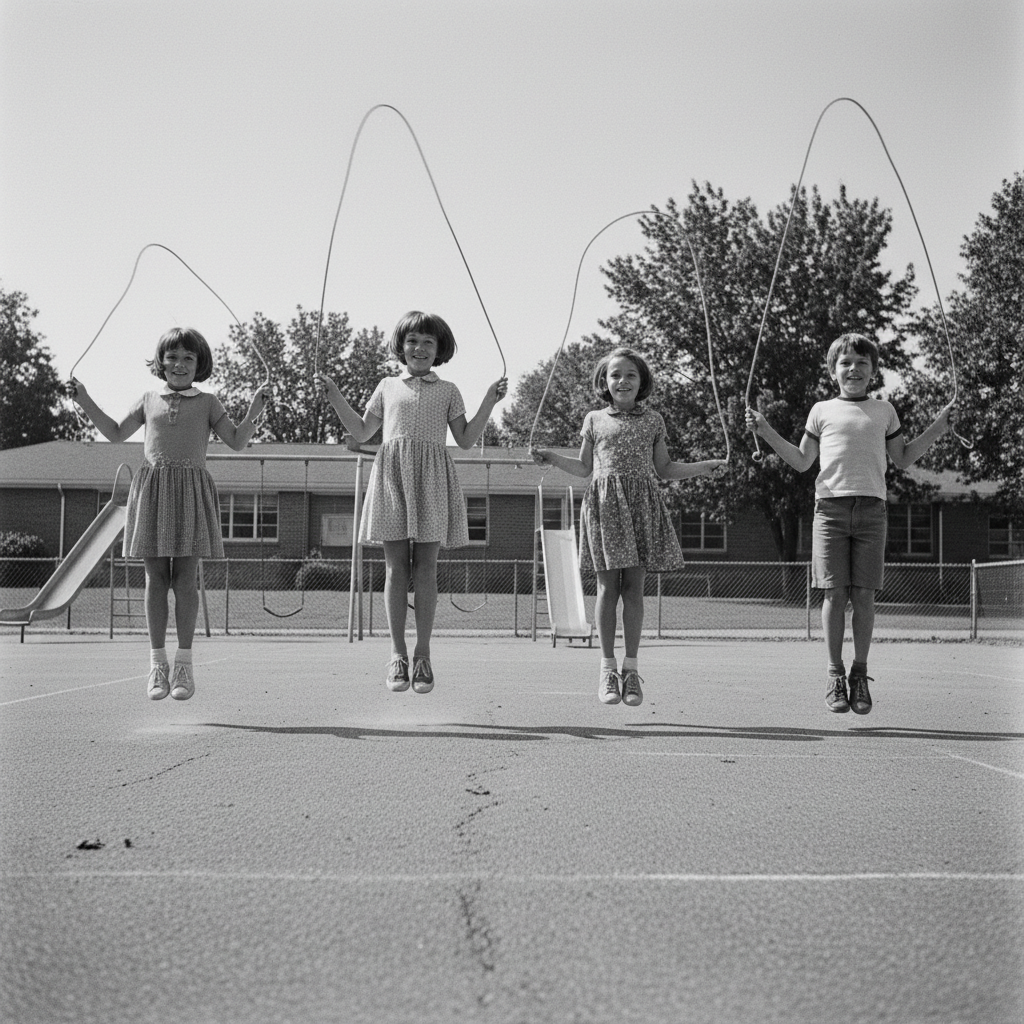
What began in Portland in 1960 found its way into schools across the country. Generations grew up to that unmistakable sound — a small percussion that meant recess, competition, laughter, and the quiet satisfaction of mastering a rhythm.
Today, countless adults can still close their eyes and hear it. Many may not remember the brand names of their textbooks or the make of the basketballs in the gym — but they remember that rope. They remember lining up in P.E. class, counting under their breath, determined not to miss. For so many Americans, their memory of learning to jump rope is tied to the Olympic Jump Rope, whether they knew its name at the time or not.
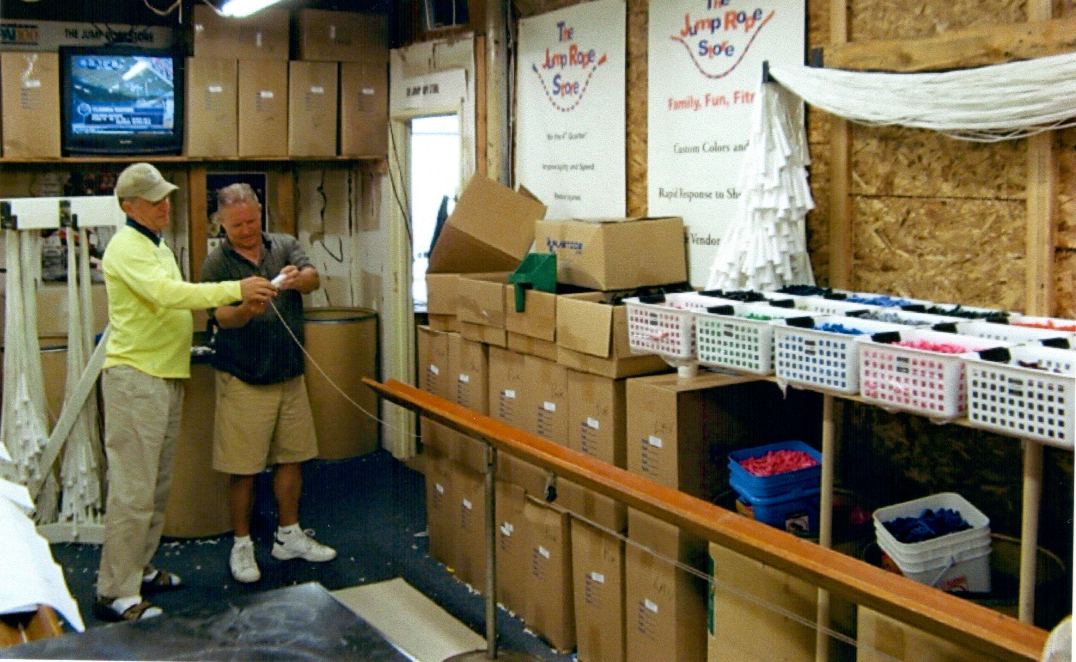
Over the years, the shop itself moved — from the rainy Northwest to the warmth of Venice, Florida. The address changed. Palm trees replaced fir trees. But the work remained the same. The beads are still threaded by hand. The cords are still cut to endure. The ropes are still American-made, built with the same belief that children deserve equipment strong enough to match their spirit.
The legacy did not stay behind in Oregon. It traveled, just like the ropes did.
The Pete family may never have spoken in scientific terms about cognition or neuromuscular development. They simply believed children should move — and that movement should be joyful, challenging, and strong.
And somewhere today, under a gray sky or a bright Florida sun, a rope is turning.
A child is counting.
A heartbeat is rising.
And a brain is quietly, brilliantly, coming alive.
"Just 10 minutes of jumping rope can equal 30 minutes of jogging in terms of cardiovascular benefits."
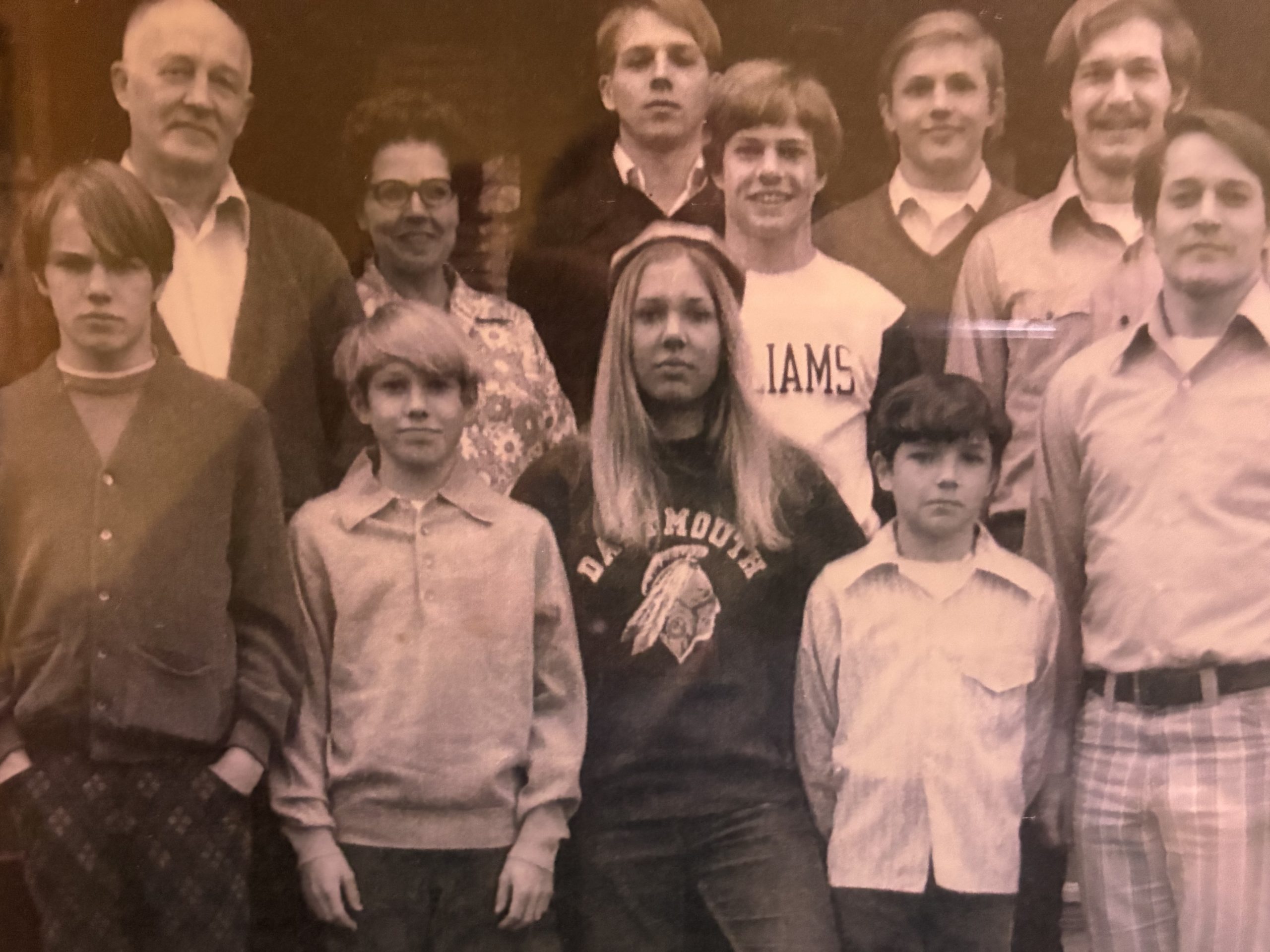
The Pete Family - a rare day-off - 1971, Portland OR